Share a brochure, hear back from every reader
Upload it once. Share it by link or QR code.
How it works
No design tools to learn. You bring the brochure; readers open it on their phone in one scan.
Upload
Design your brochure anywhere you like. Upload it here as a PDF or as images.
Share
Get a link and a QR code. Print it, post it or send it. Replace the brochure later and the same code keeps working.
Hear back
Readers comment, react and fill in your form. You see how far people read, page by page.
- comments
- reactions
- forms
- analytics
Stories
Every print on our front page changed something. These are their stories.
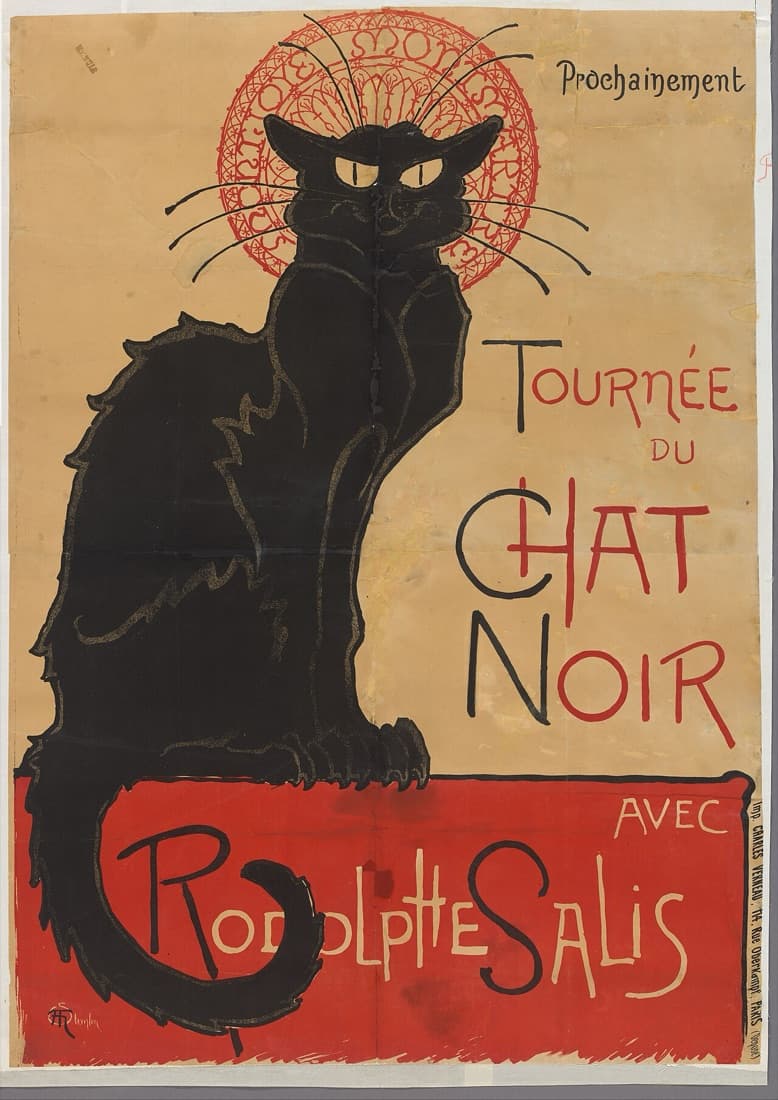
- PosterThe black cat of MontmartreSteinlen's 1896 poster for the Chat Noir cabaret gave Montmartre a black cat that still looks out from souvenir shops along the Seine.1896Read the story
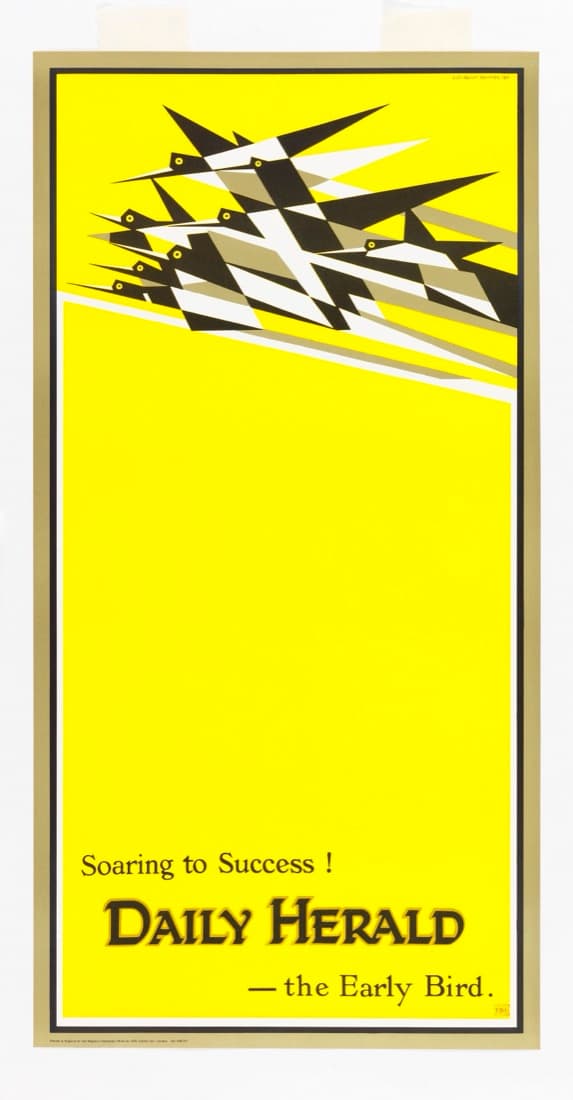
- PosterA flock of birds for a newspaper's first morningE. McKnight Kauffer's flight of birds announced the relaunch of the Daily Herald in 1919 and became the design he was known for.1918Read the story
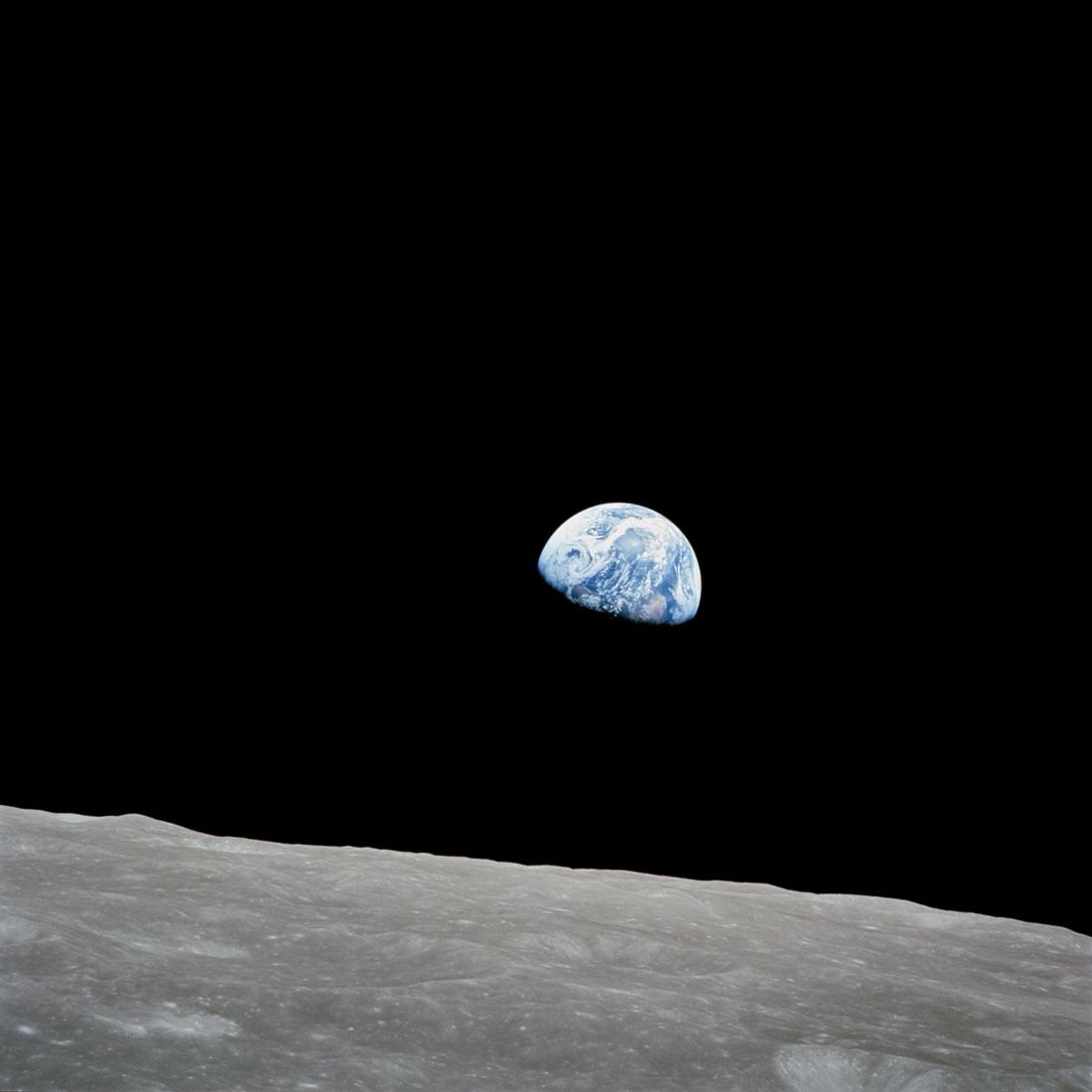
- PhotographThe day the Earth roseOn 24 December 1968, orbiting the Moon on Apollo 8, Bill Anders photographed the Earth rising over the lunar horizon.1968Read the story
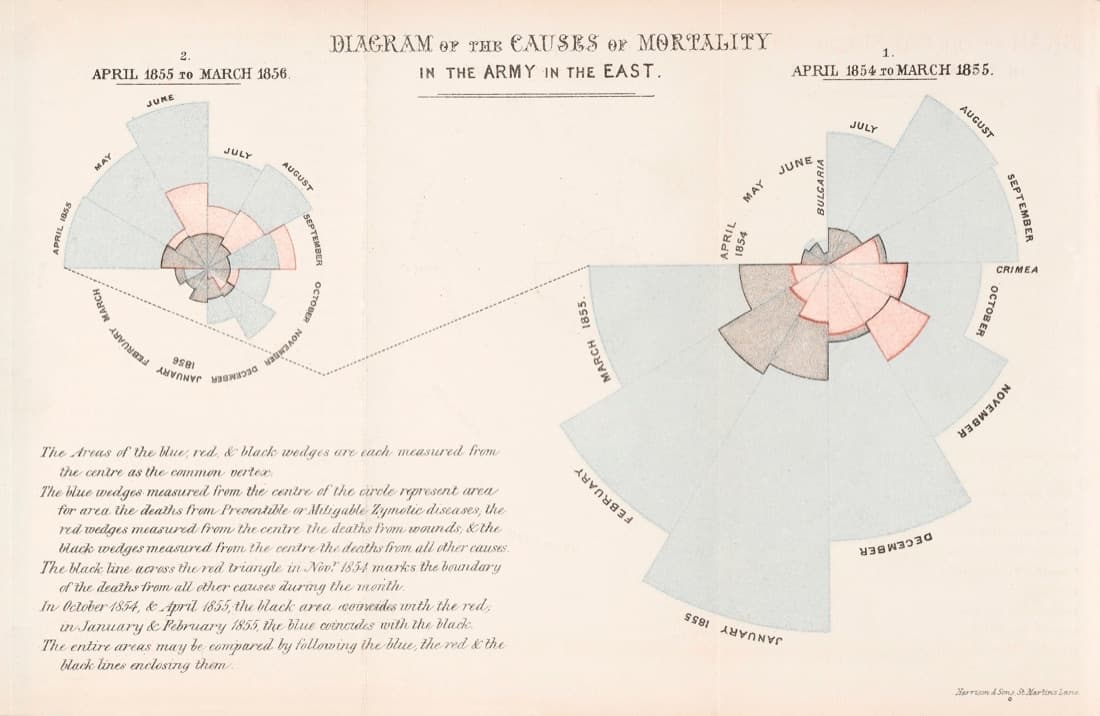
- DiagramWhat really killed the soldiersFlorence Nightingale's 1858 diagram showed that in the Crimean War far more British soldiers died of preventable disease than of their wounds.1858Read the story
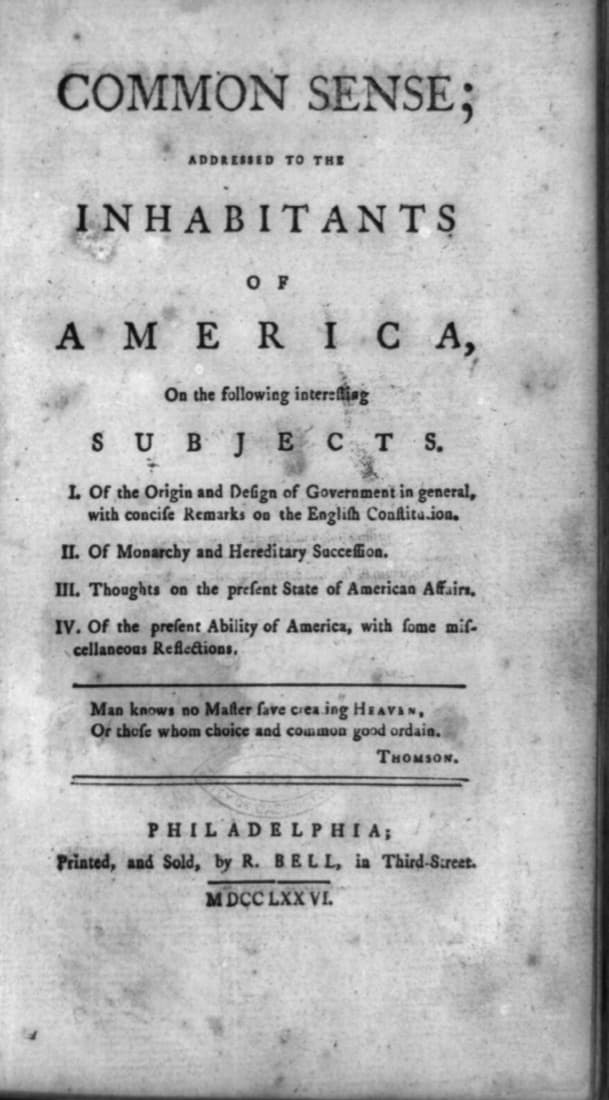
- PamphletPlain words for independencePublished anonymously in Philadelphia in January 1776, Thomas Paine's Common Sense made the case for American independence.1776Read the story
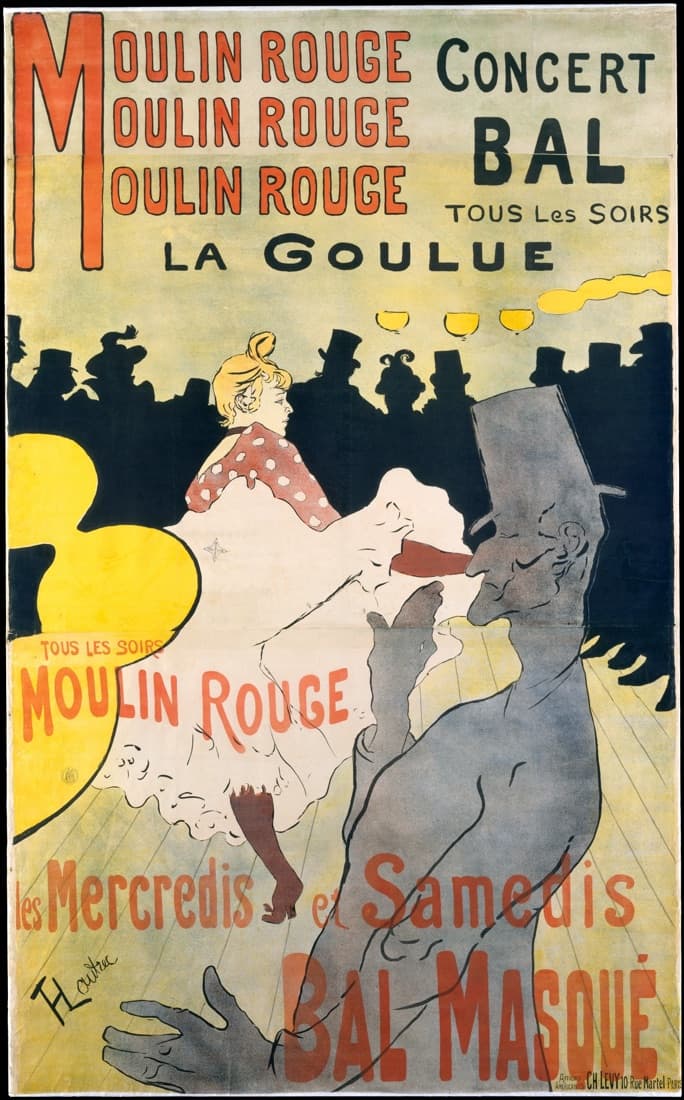
- PosterThe poster that made Lautrec's nameToulouse-Lautrec's first poster, made for the Moulin Rouge in 1891, turned a dance-hall advertisement into the work that made his name known.1891Read the story
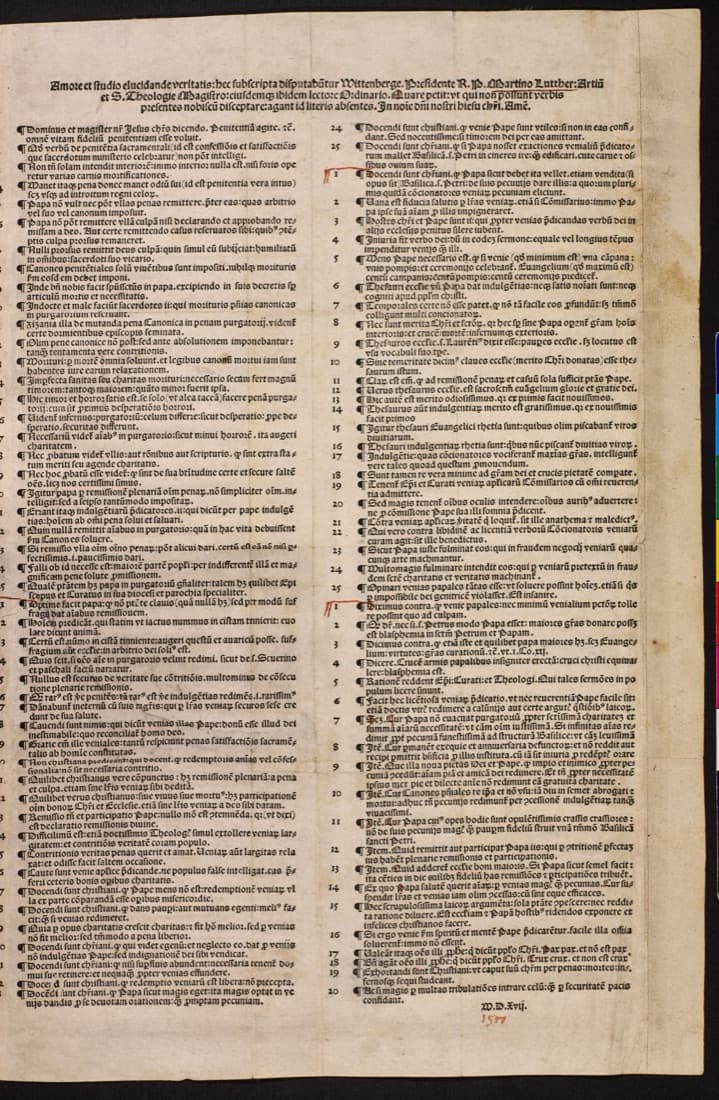 BroadsideTheses for a debate that never happenedLuther wrote 95 Latin theses on indulgences for a debate in Wittenberg in 1517. Printers spread them; this Nuremberg sheet is one of very few left.1517Read the story
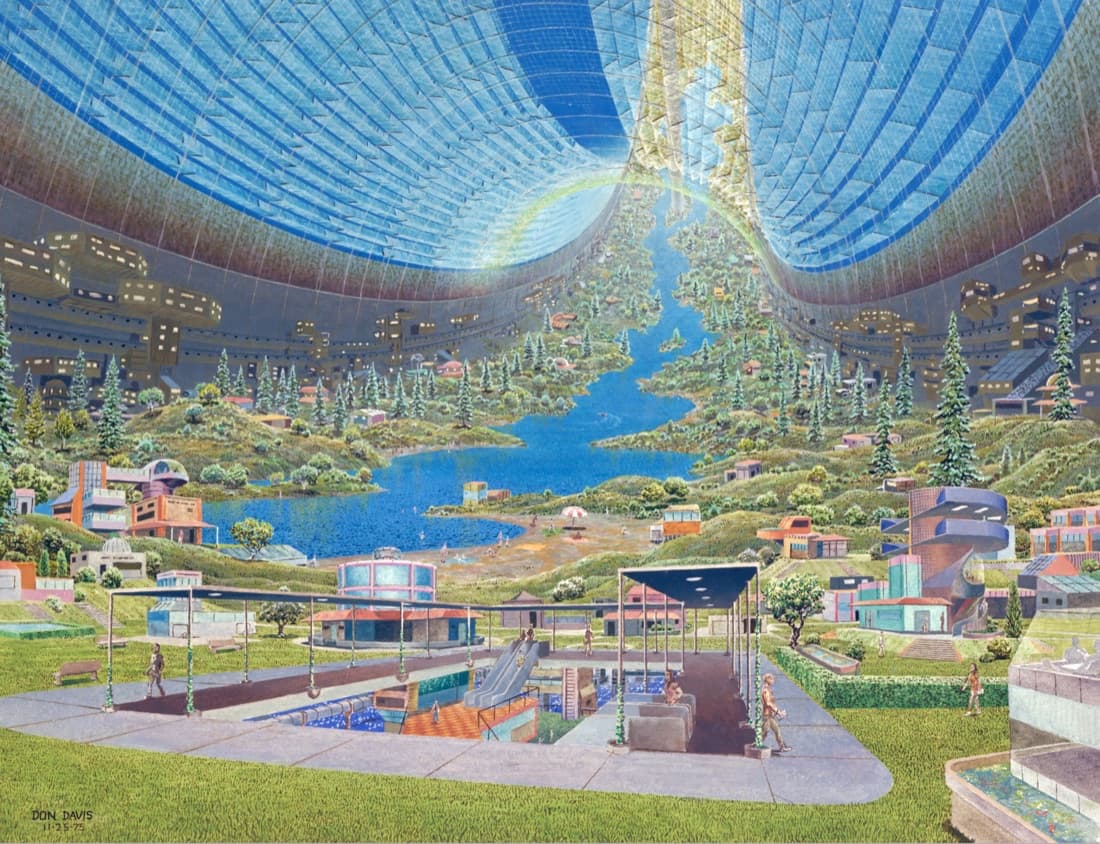 PaintingA town inside a wheel in spaceDon Davis's 1975 painting for NASA Ames shows the inside of a ring-shaped space settlement designed for 10,000 people.1975Read the story
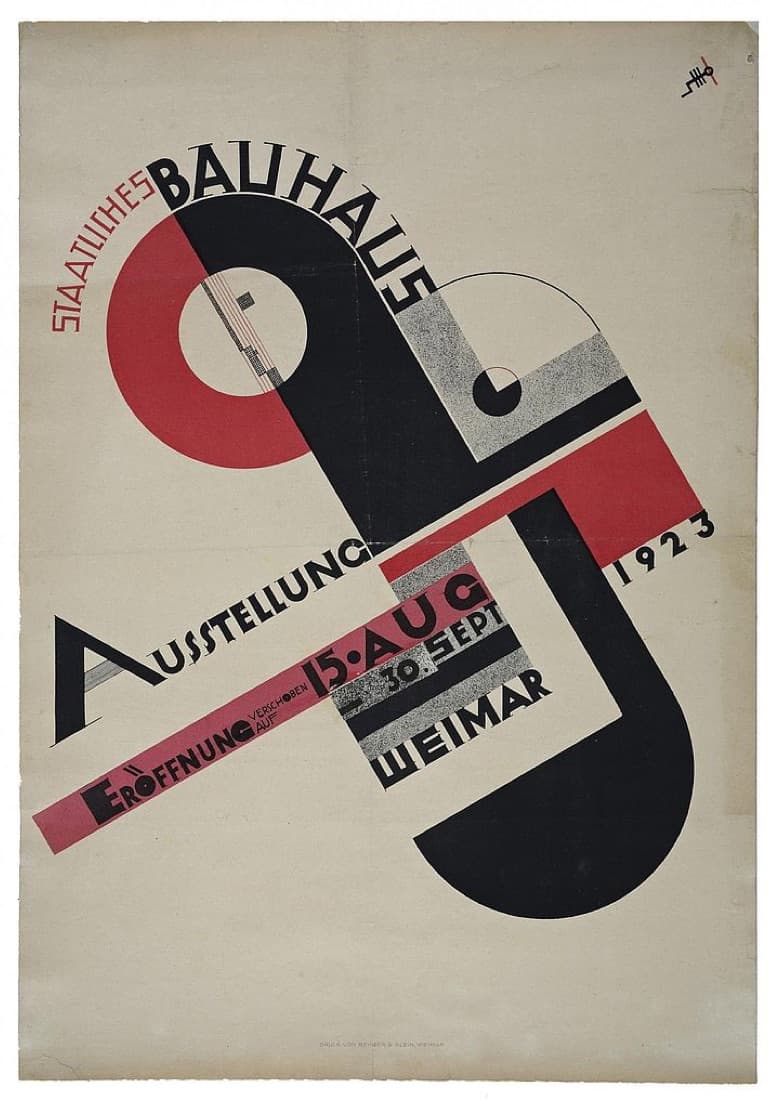 PosterCircles and squares for the Bauhaus's first showA student's poster of circles and squares announced the first big Bauhaus exhibition in 1923, hung in 120 German railway stations.1923Read the story
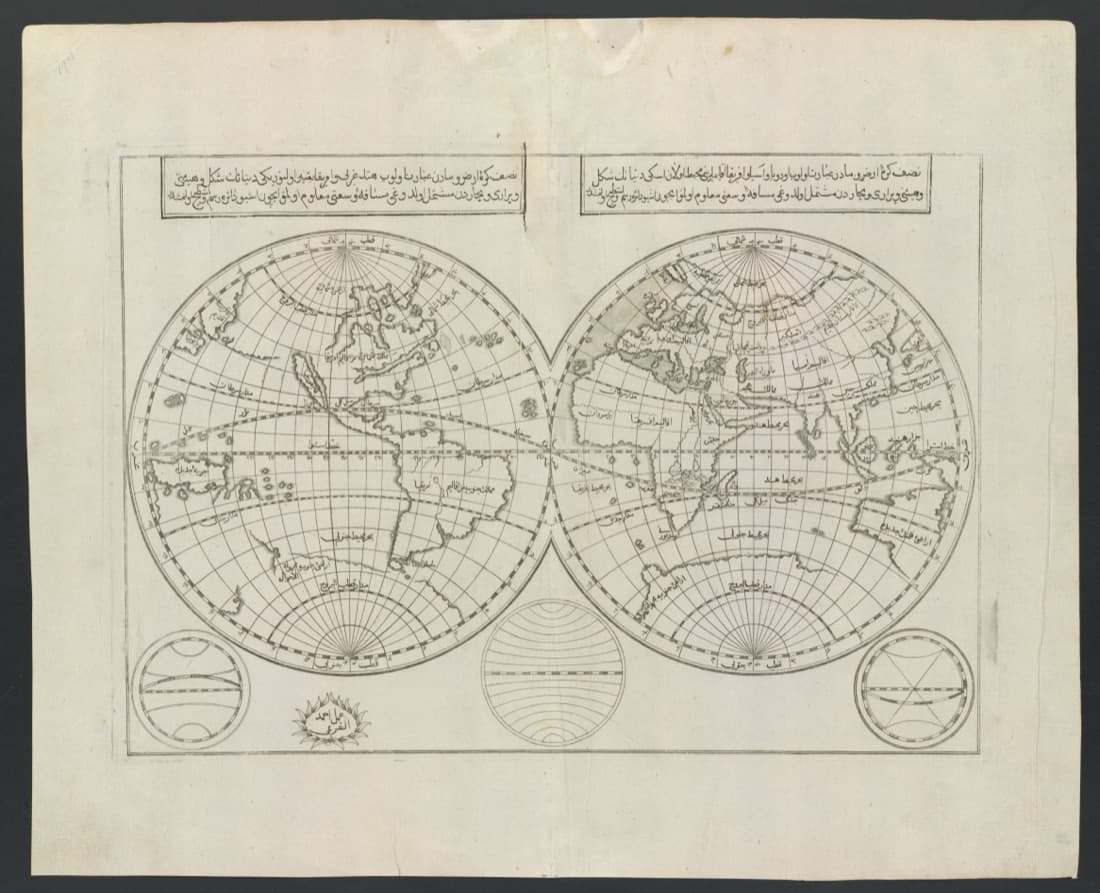 MapThe whole world, printed in IstanbulThe world in two hemispheres, from Kâtip Çelebi's Cihannüma, printed in Istanbul in 1732 by İbrahim Müteferrika, founder of the first Turkish press.1732Read the story
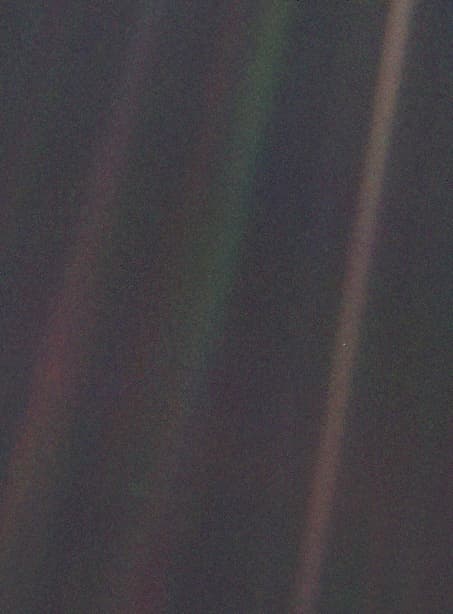 PhotographHome, from six billion kilometres awayOn 14 February 1990 Voyager 1 looked back from about 6 billion km and caught the Earth as a speck smaller than a pixel, at Carl Sagan's urging.1990Read the story
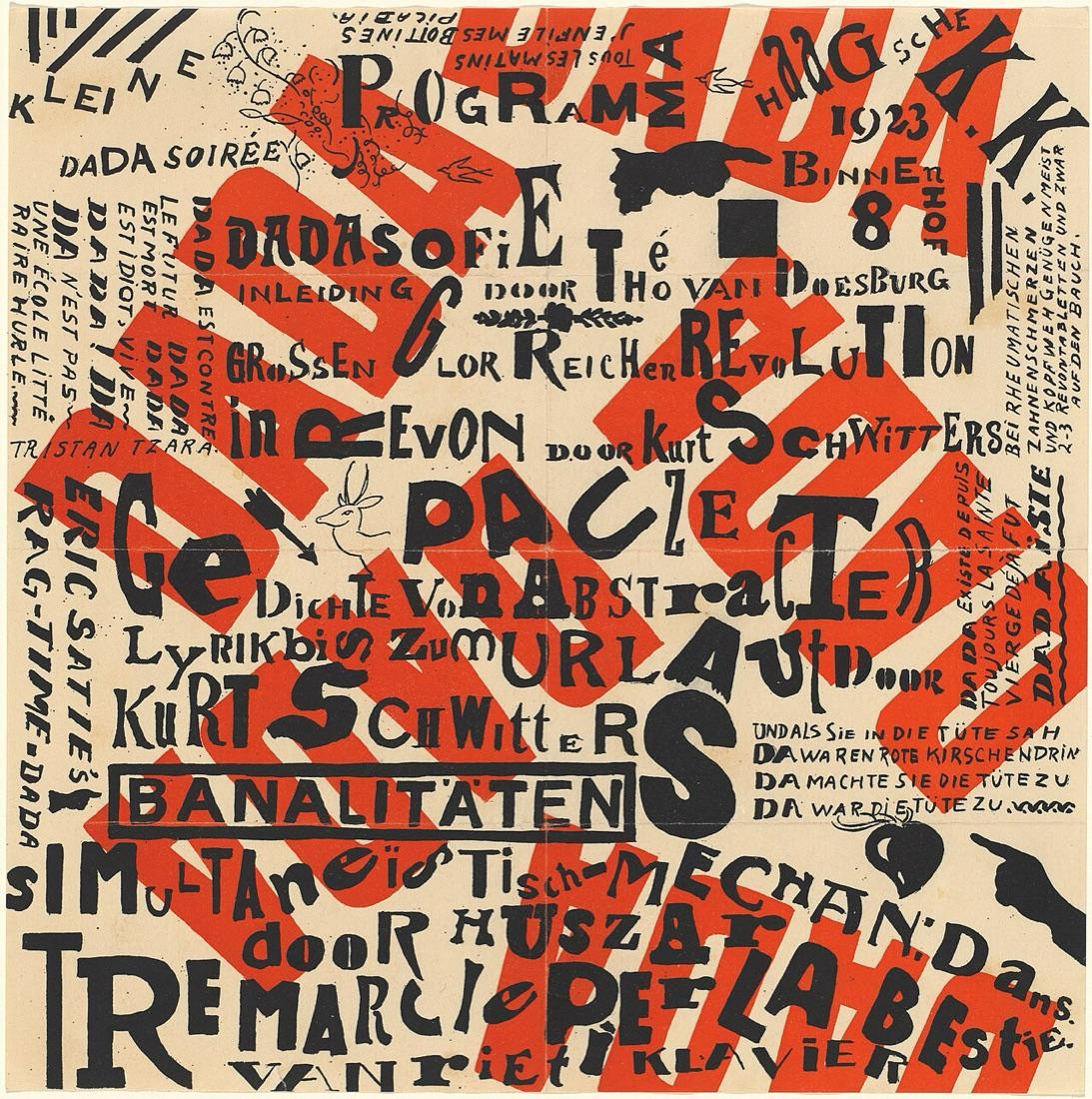 Poster and programmeA programme that would not sit stillRed and black letters running every way: the poster and programme for the Dada tour of the Netherlands in early 1923.1922Read the story
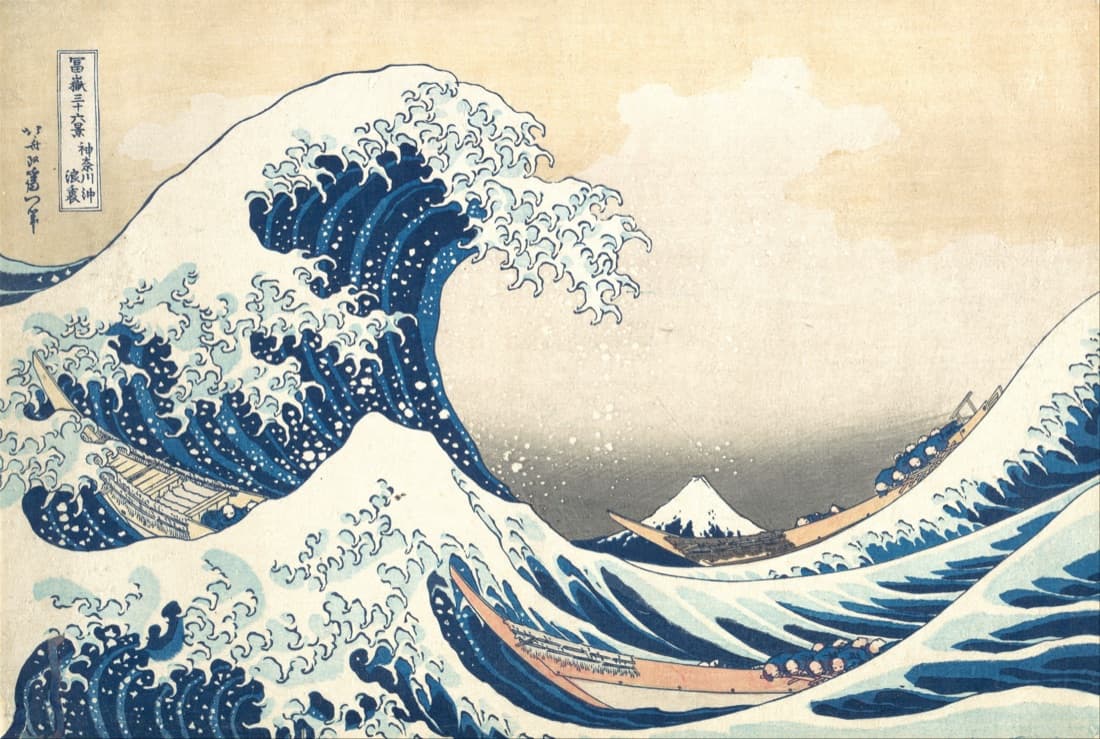 Woodblock printThe wave that went around the worldHokusai's Great Wave was a woodblock print of the early 1830s, made by the thousand. It is now the most famous Japanese print in the world.1831Read the story
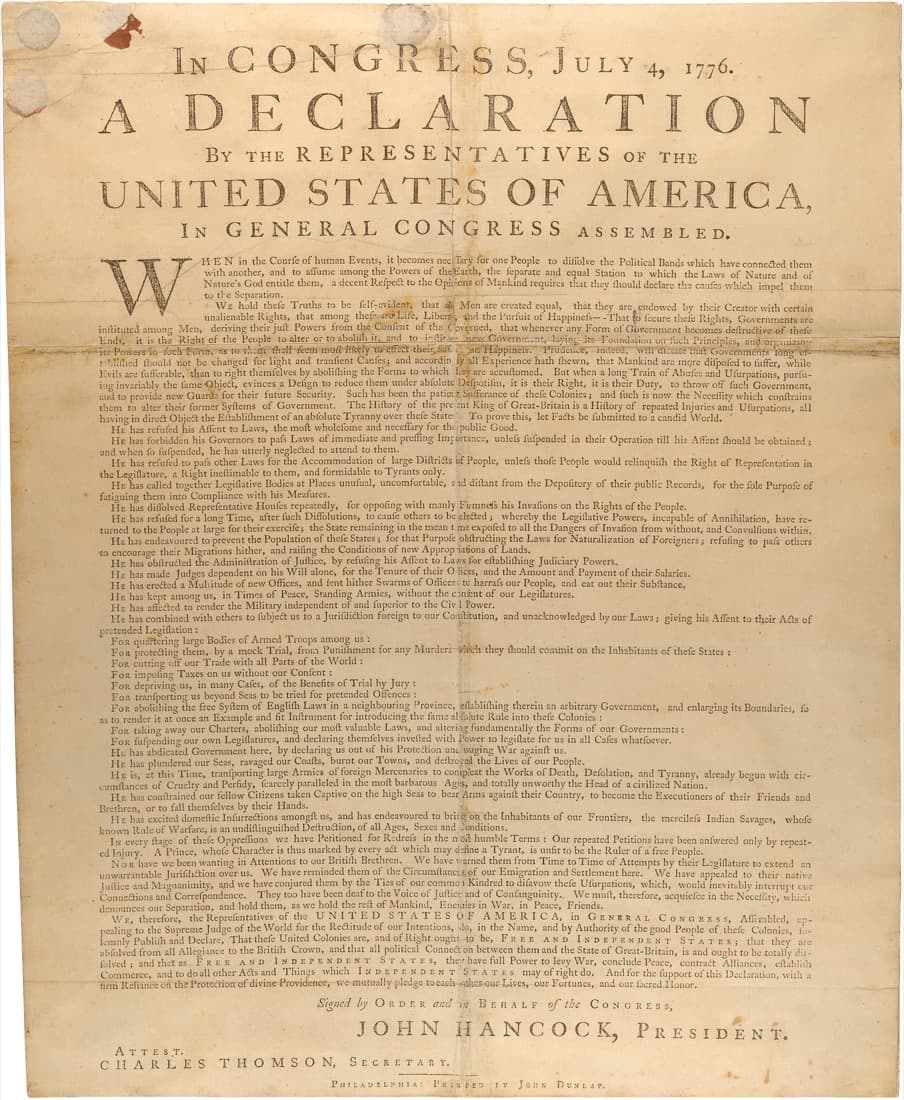 BroadsidePrinted overnight: the first DeclarationOn the night of 4 July 1776 John Dunlap printed the Declaration of Independence as a single sheet. Of perhaps 200 copies, 26 are known today.1776Read the story
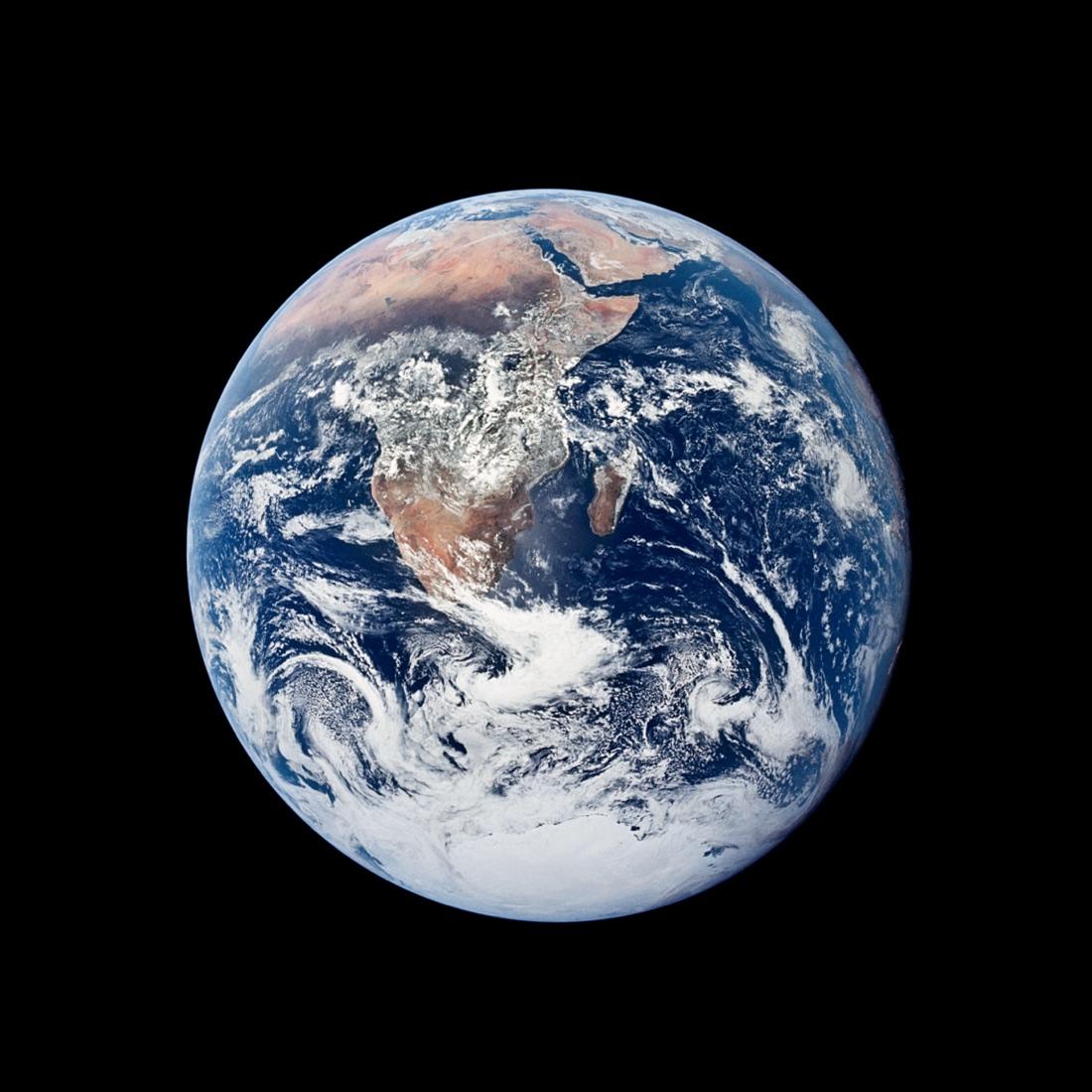 PhotographThe whole Earth, lit from end to endOn 7 December 1972 the Apollo 17 crew photographed the fully lit Earth on the way to the Moon, from Africa down to the Antarctic ice.1972Read the story
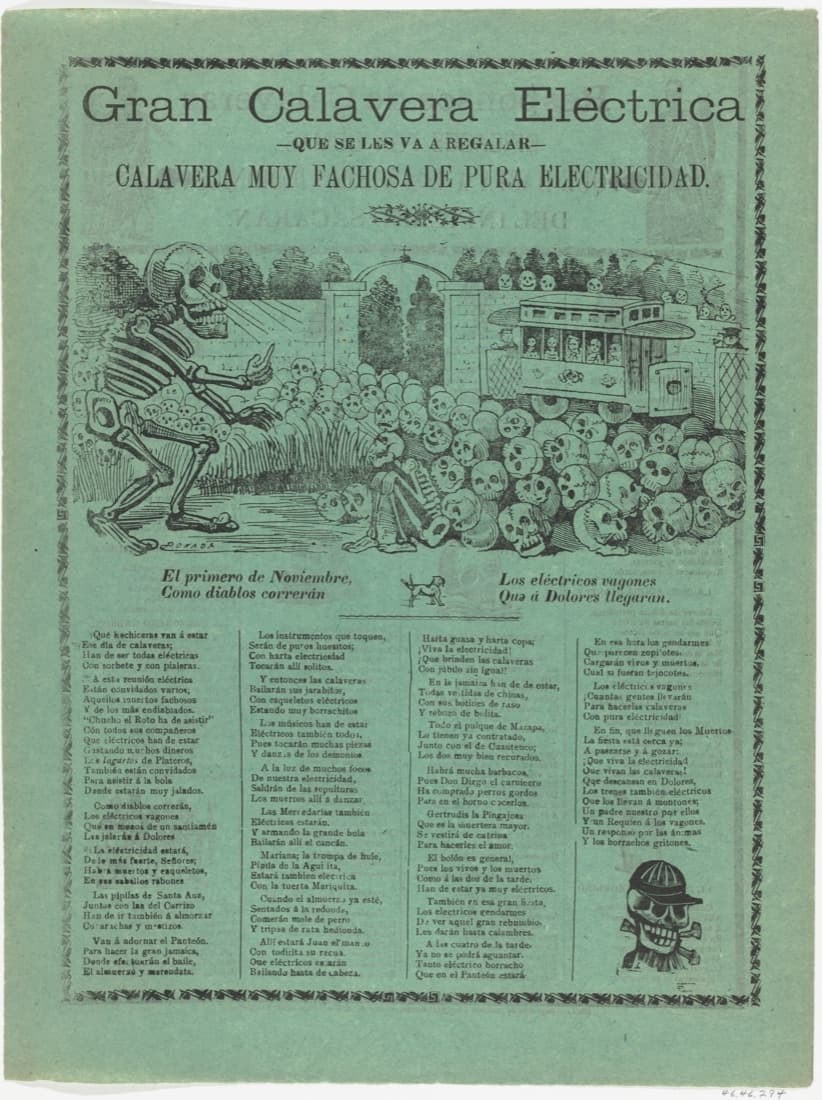 BroadsideDeath takes the electric tramPosada's Gran Calavera Eléctrica mocked Mexico City's new electric trams for the Day of the Dead. Broadsides like it sold for a centavo.1900Read the story
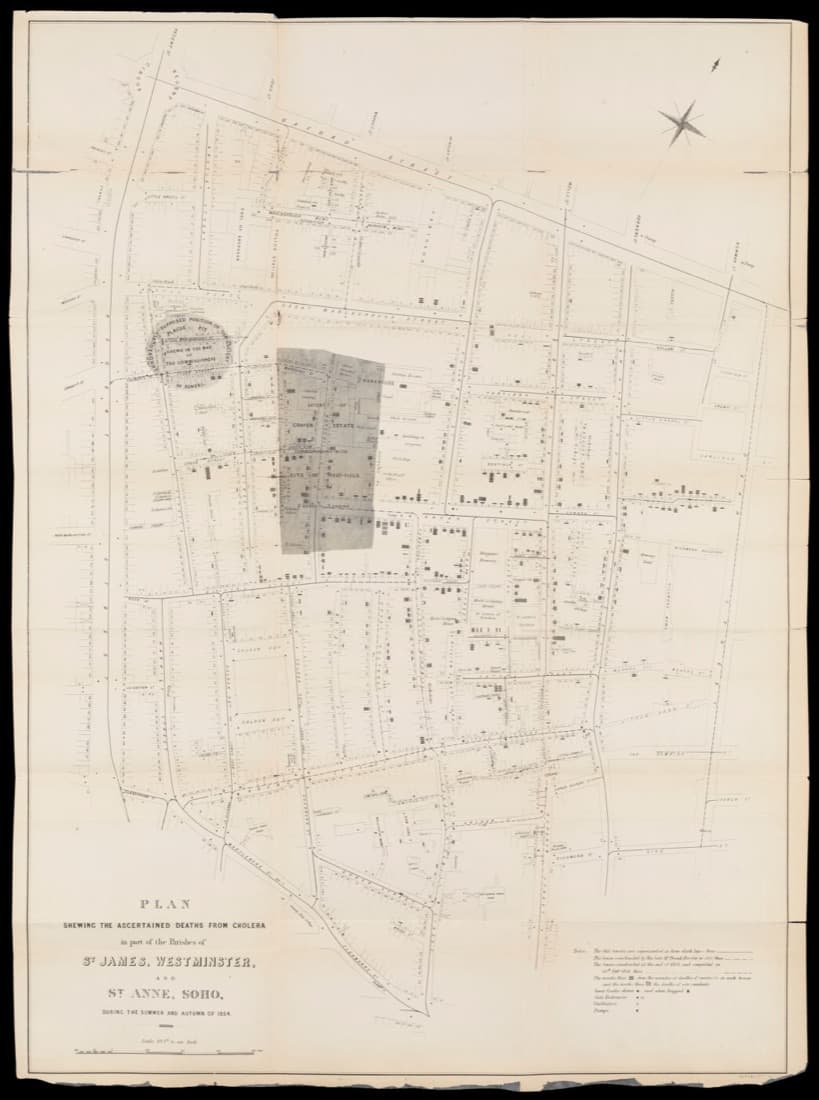 MapCounting the dead, street by streetThe 1855 map of cholera deaths in Soho, made for a parish inquiry into the outbreak that John Snow had traced to the Broad Street pump.1855Read the story
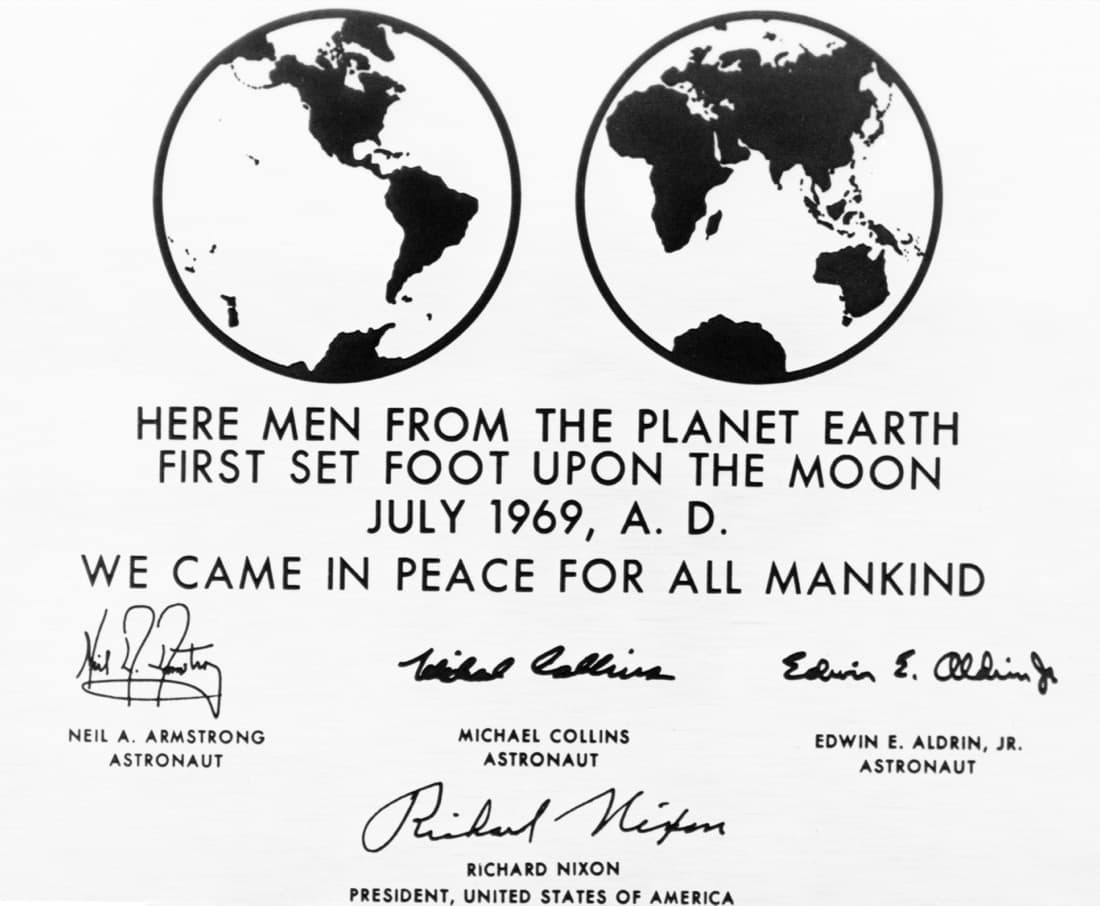 PlaqueA note left on the MoonThe steel plaque Apollo 11 left on the Moon in July 1969: two hemispheres, four signatures and "We came in peace for all mankind".1969Read the story
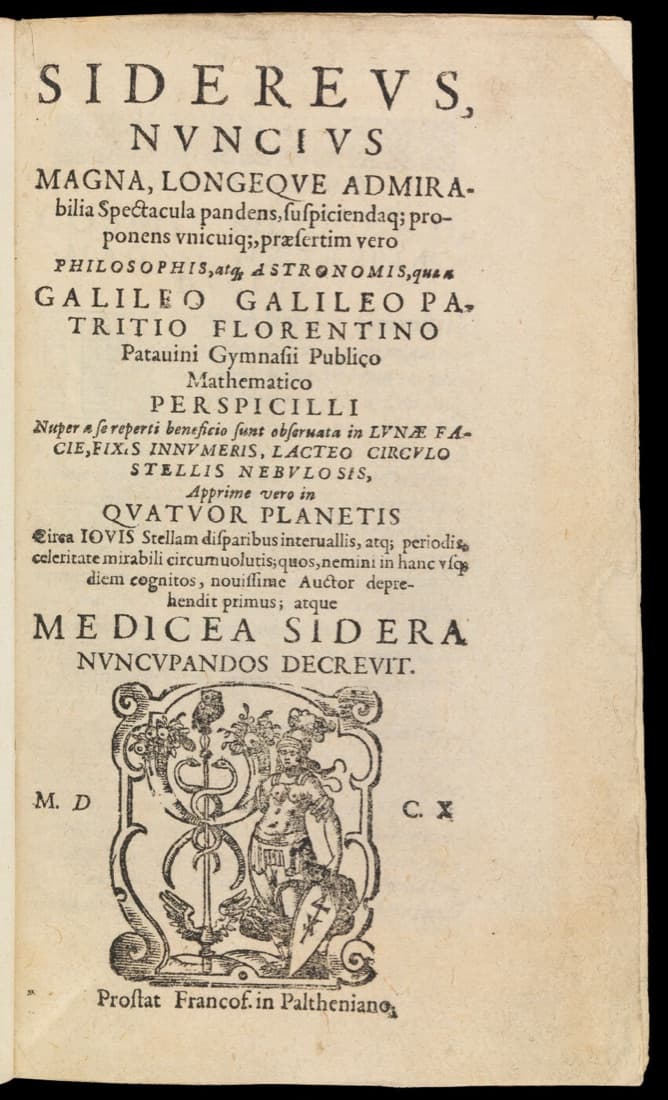 BookThe little book that opened the skyIn 1610 Galileo published what his telescope showed: a rough Moon, countless stars and four moons of Jupiter. This is the Frankfurt printing.1610Read the story
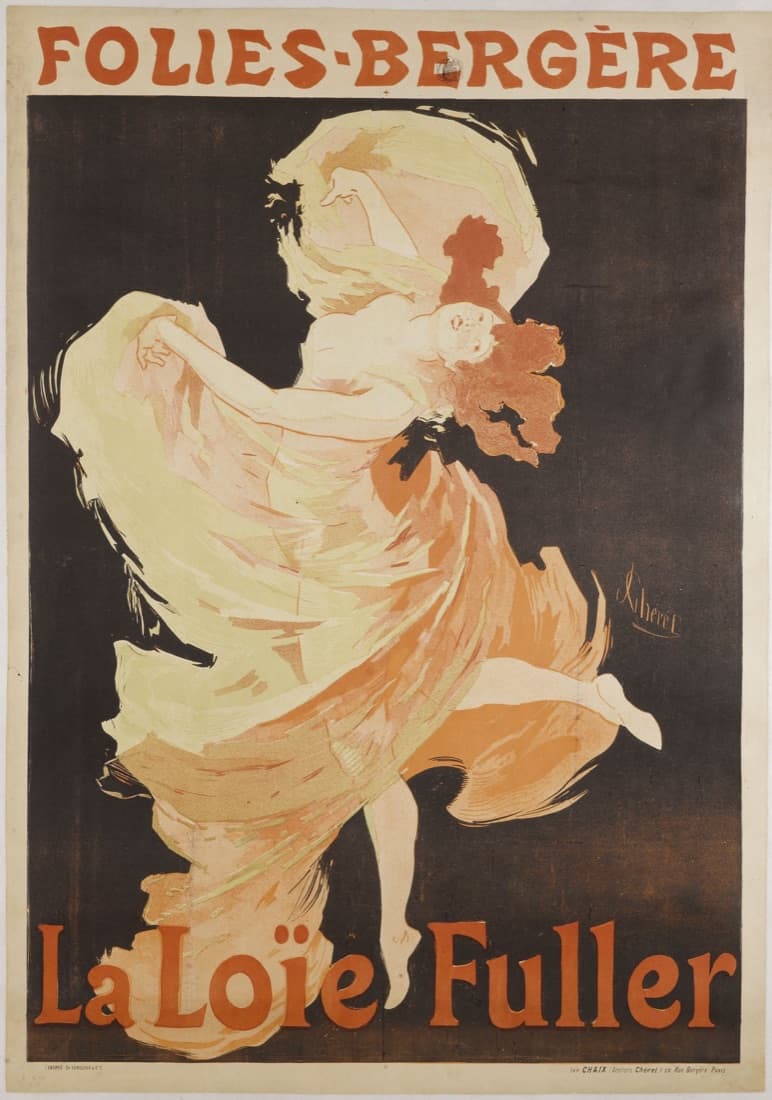 PosterA poster for a dance made of lightJules Chéret's 1893 poster of Loïe Fuller, the American dancer who swirled silk under coloured electric light at the Folies-Bergère.1893Read the story
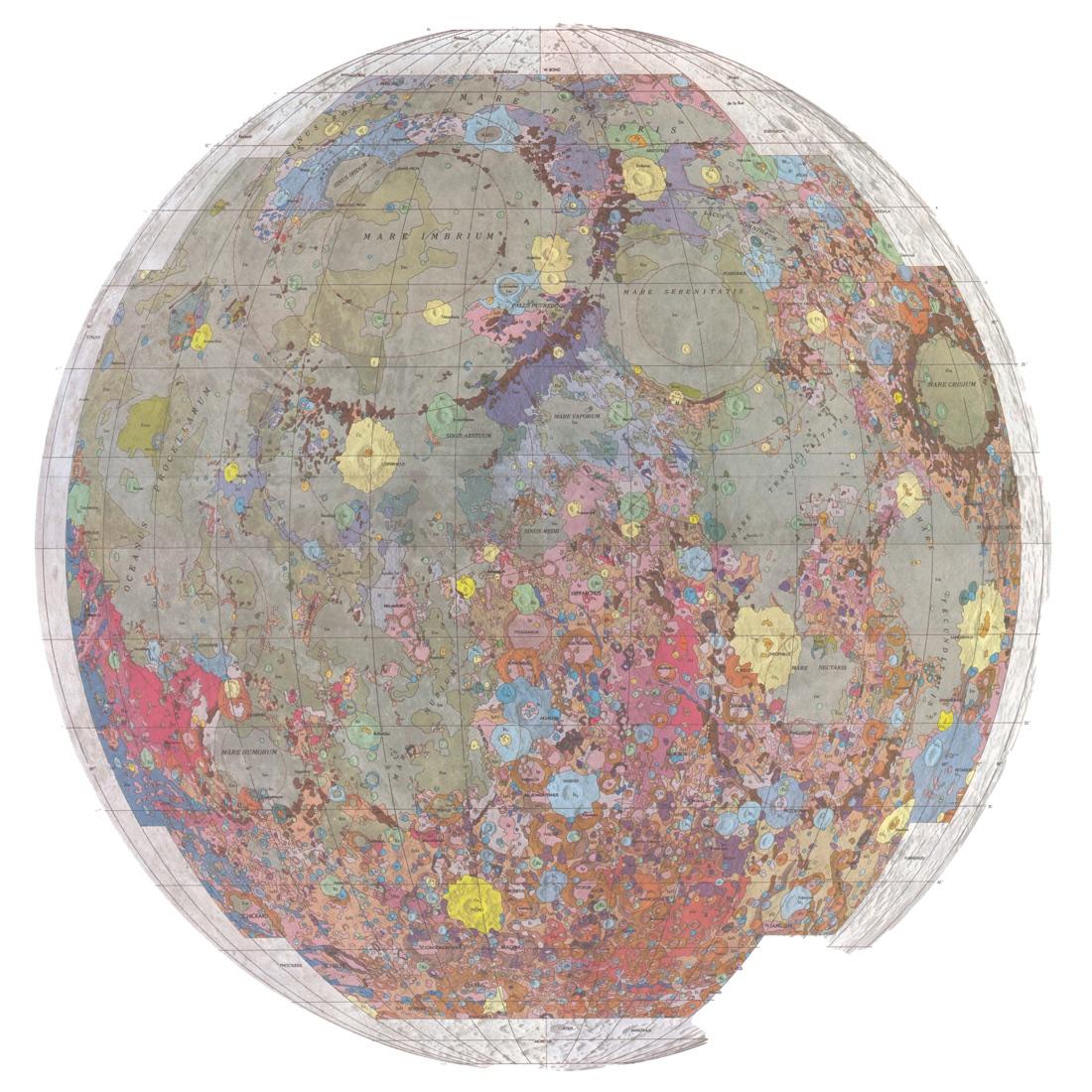 MapReading the Moon's history in its faceThe 1971 USGS geologic map of the Moon's near side sorted its plains, craters and mountains by age, drawn from Lunar Orbiter photographs.1971Read the story
Frequently asked questions
Tournée du Chat Noir, 1896Read its story
A simple way to share something printed that you have already designed: a brochure, a poster, a notice, a report, a programme, a map or a guide. Upload it as a PDF or as images and you get a link and a QR code. Readers open it on their phone, can like it, comment or fill in a short form, and you see how it was read.
It is for anyone who prints, from artists to organisations and governments. It is not a design tool: make your piece in whatever you like, then share it here.
Yes. Create an account, upload your piece as a PDF or images, and share it by link or QR code once it has been checked. Readers open it on their phone, like it, comment and fill in your form, and you see how it is read.
Yes. There are no payments for now. If paid plans ever come, they will never make a printed QR code stop working.
A PDF, or images in JPEG, PNG, WebP or HEIC, up to 50 MB per file. Every file is checked for what it really is, not just its name. Other types, including SVG, are not accepted.
Yes. Upload a new version and the same link and QR code show it, so printed copies keep working. The new version is checked before it goes live, and the old one stays up until then.
A code is never reused for someone else's brochure, even after you delete yours.
Coming soonIf you want them to. For each brochure you choose: comments off, private (only you see them) or public. Public comments can wait for your approval. Comments start private.
Readers need an account to comment. Anyone can read the latest 10 public comments under a brochure; reading the rest needs a log-in too.