Frequently asked questions
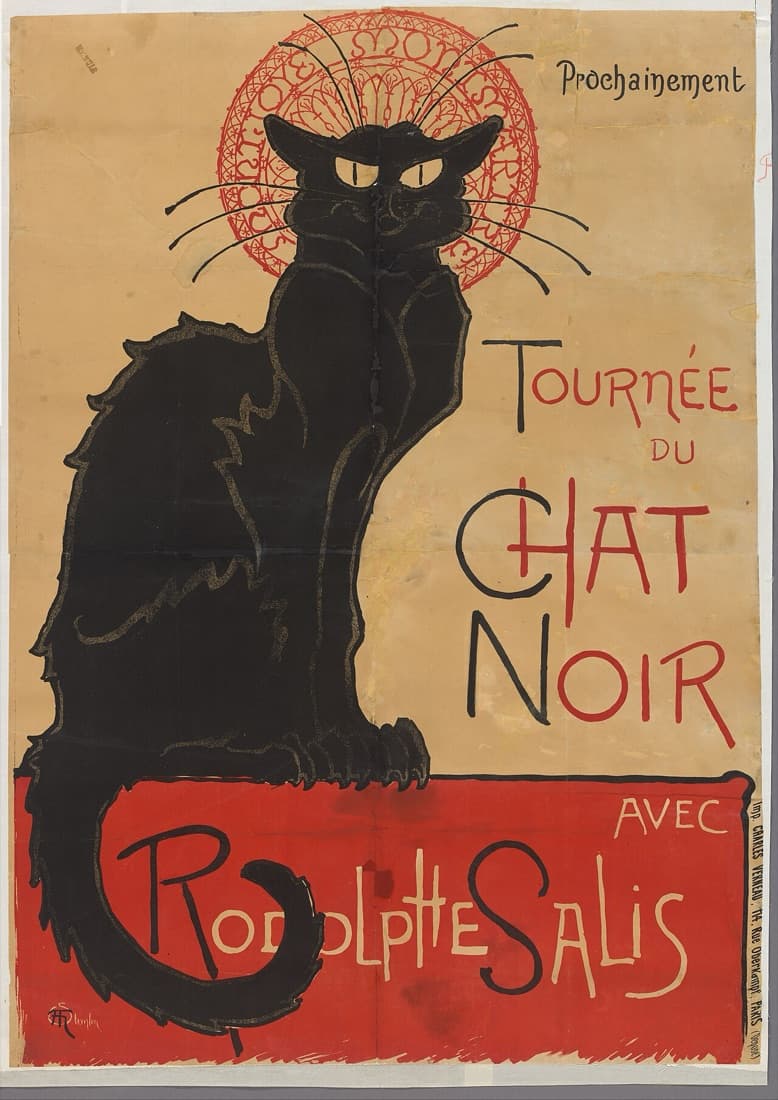
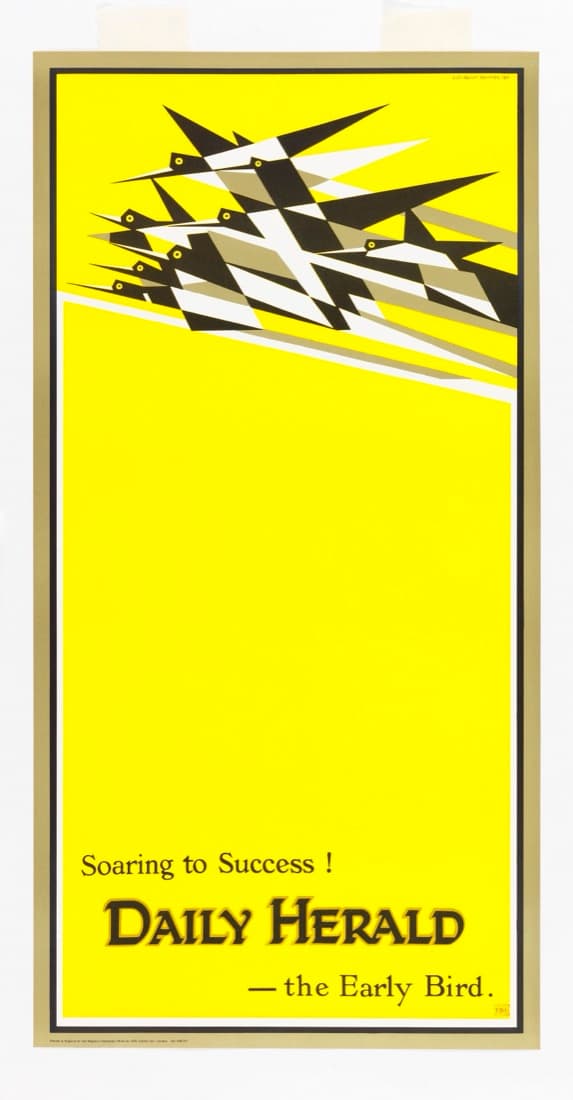
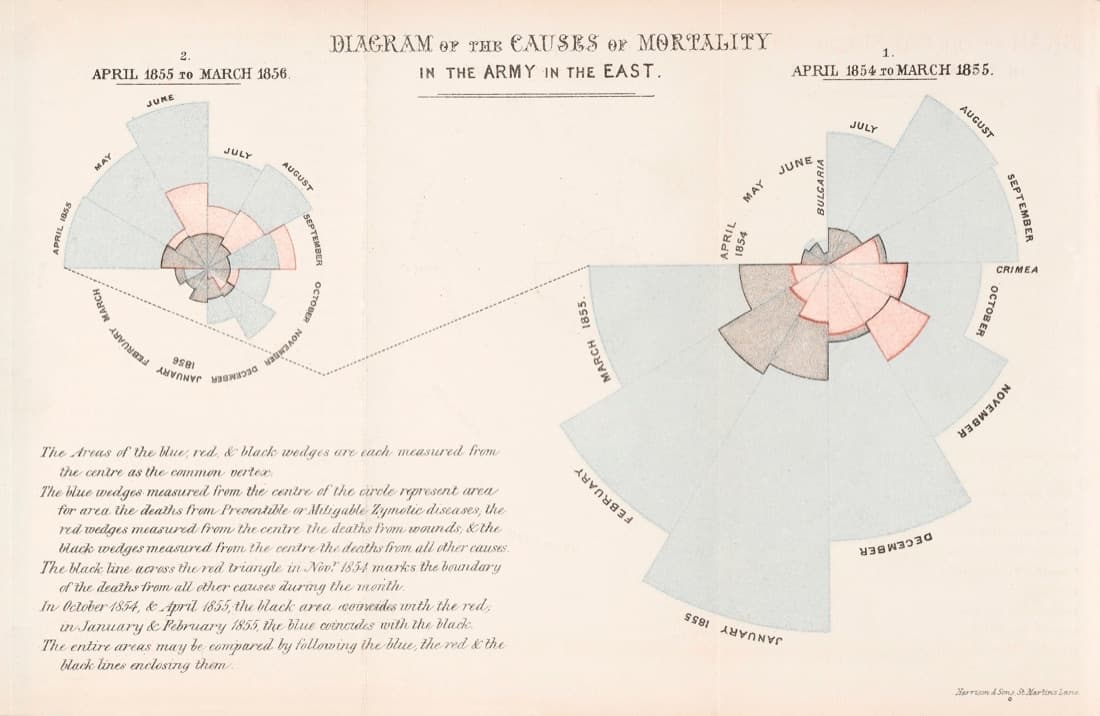
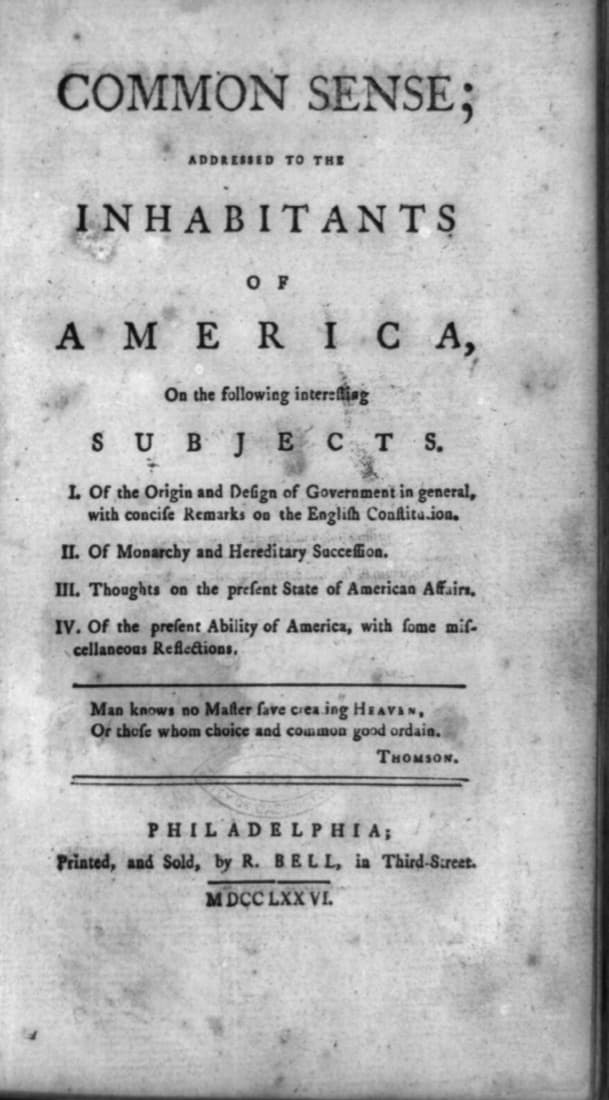
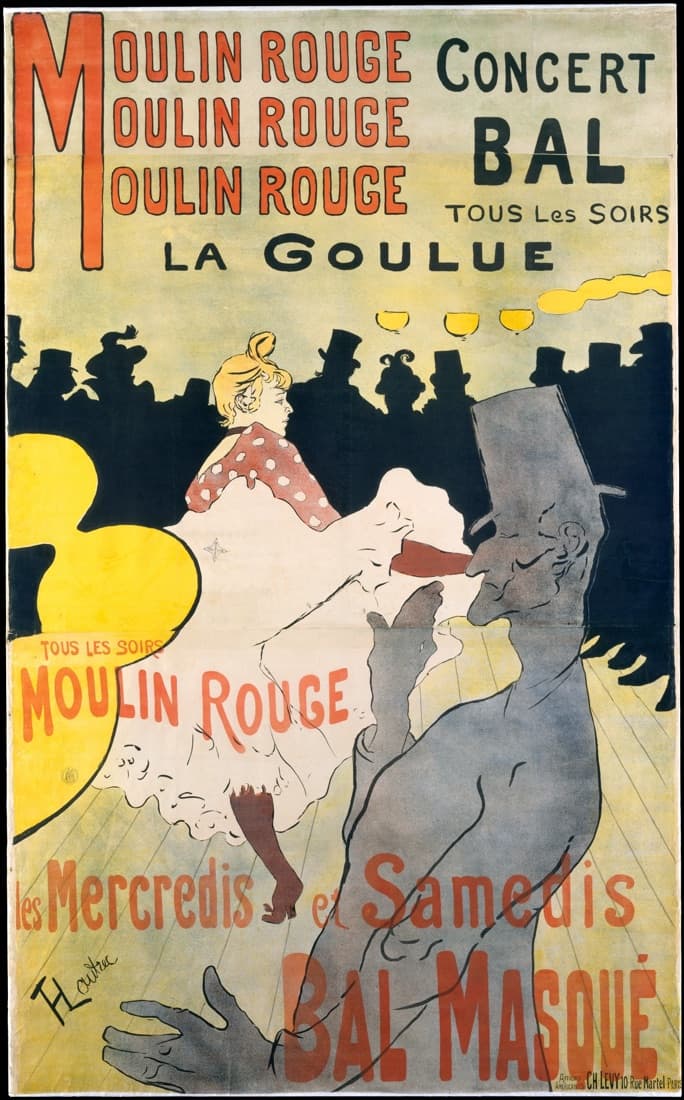
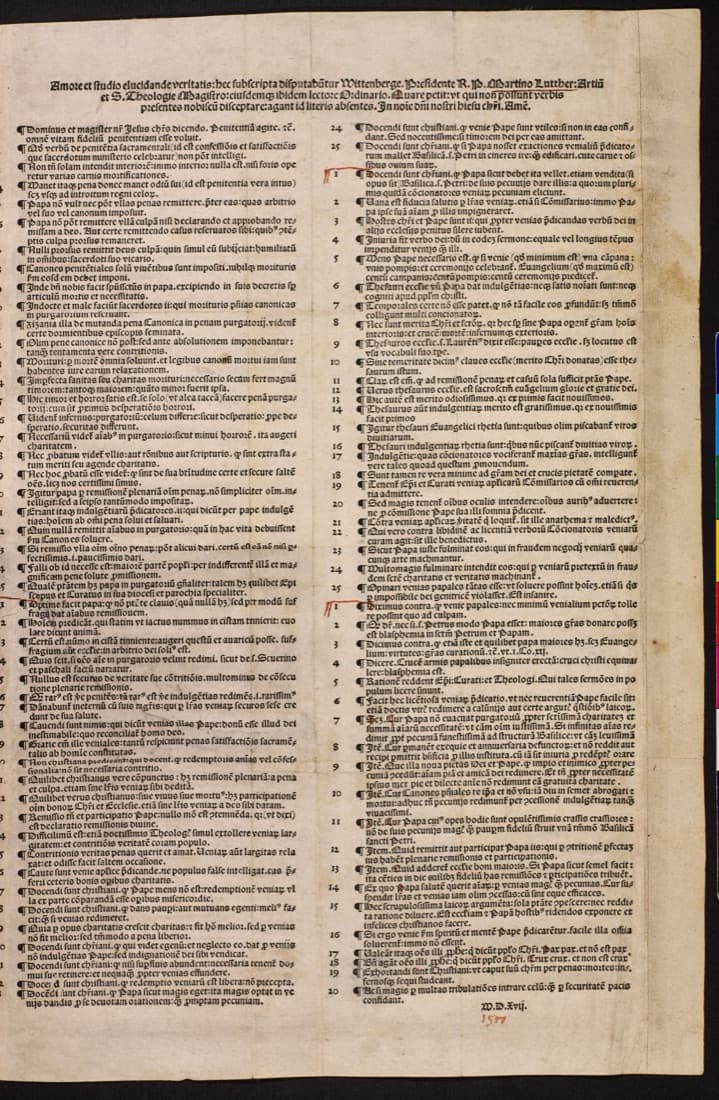

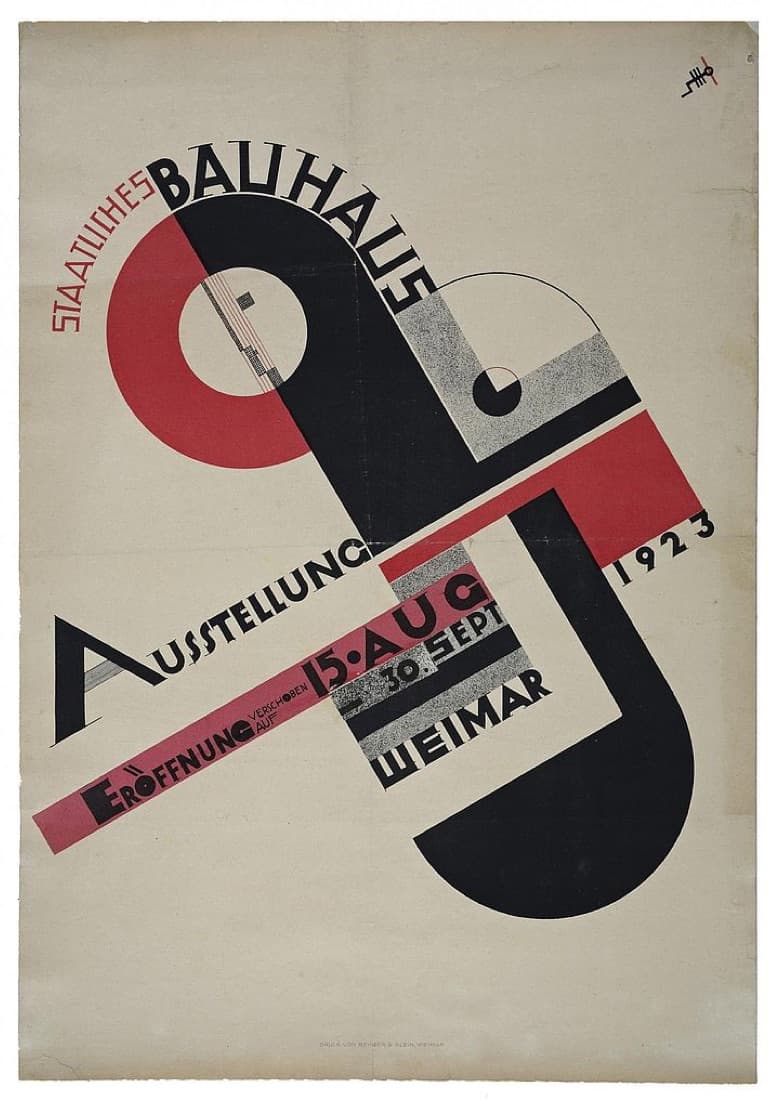
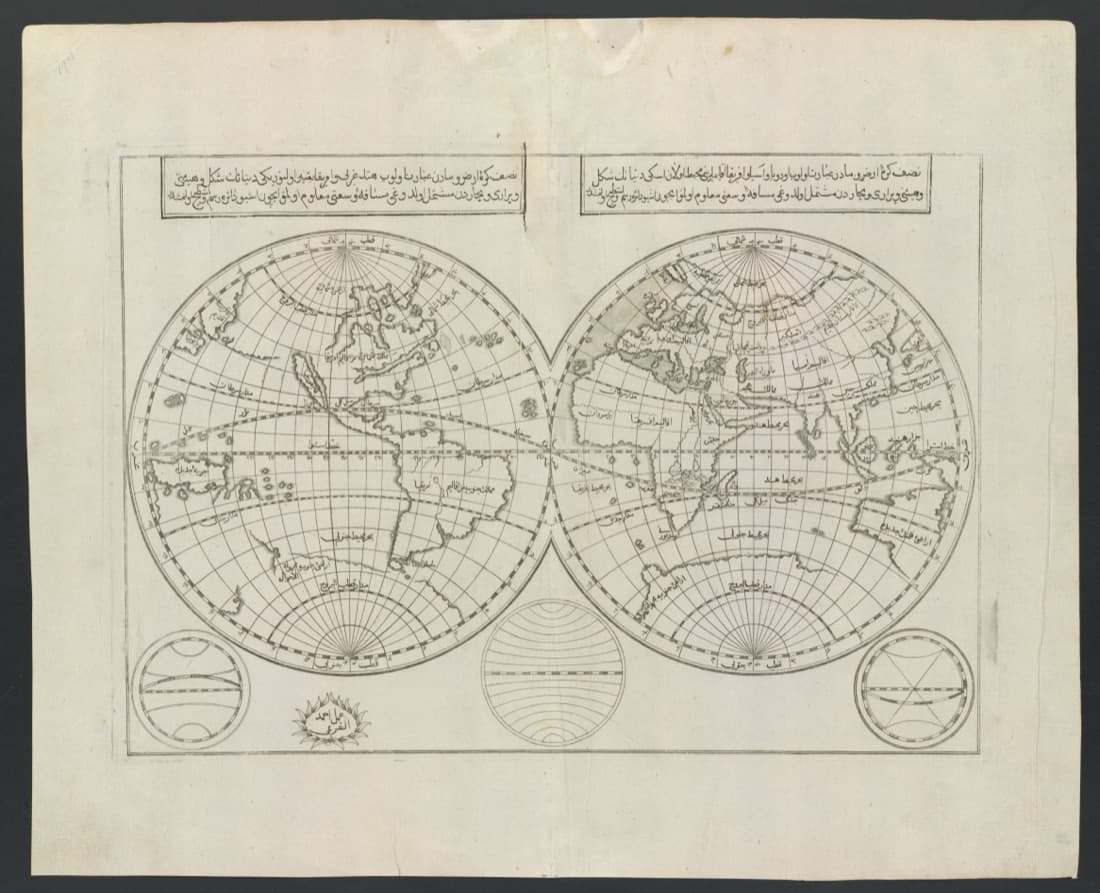

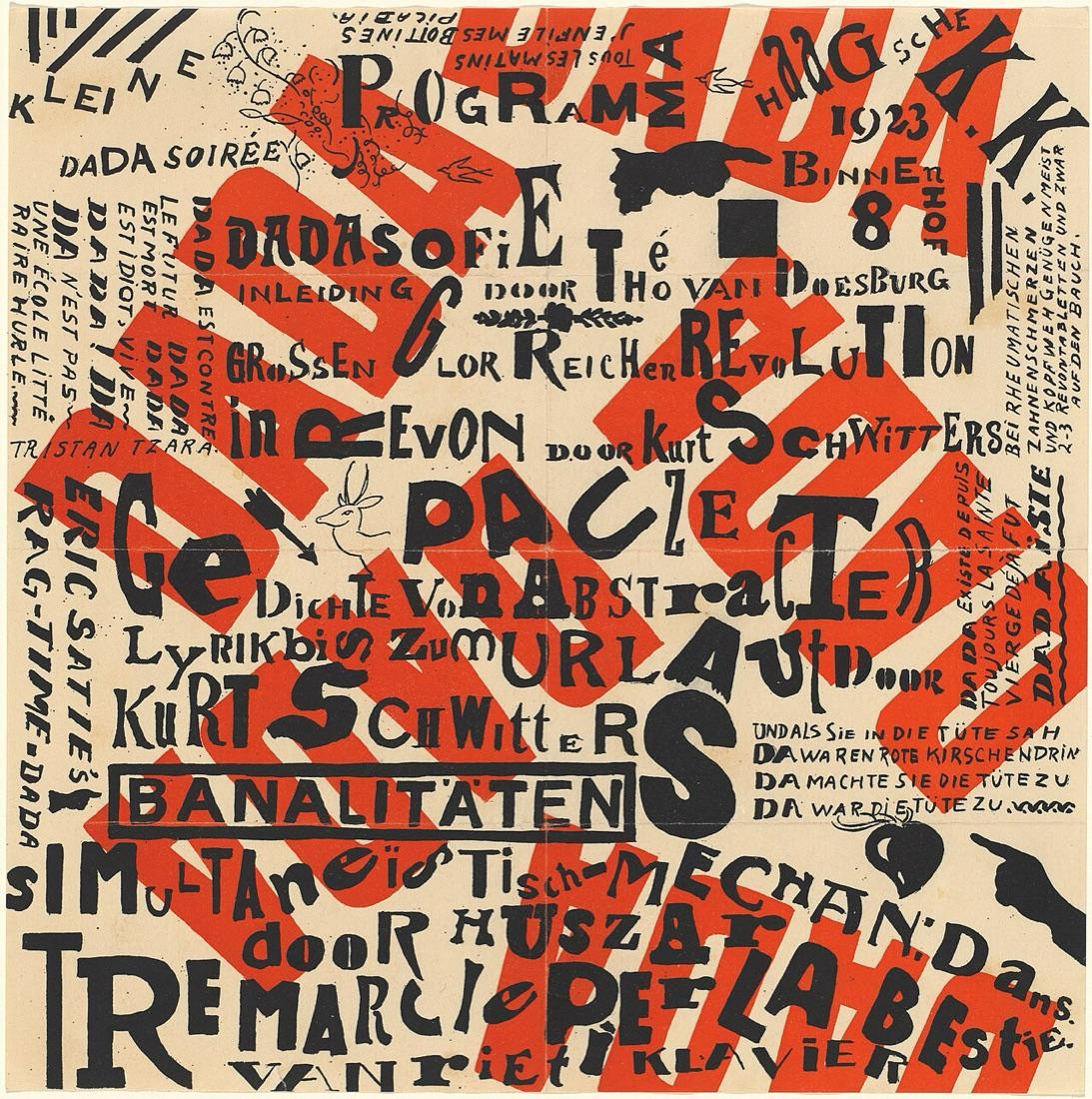
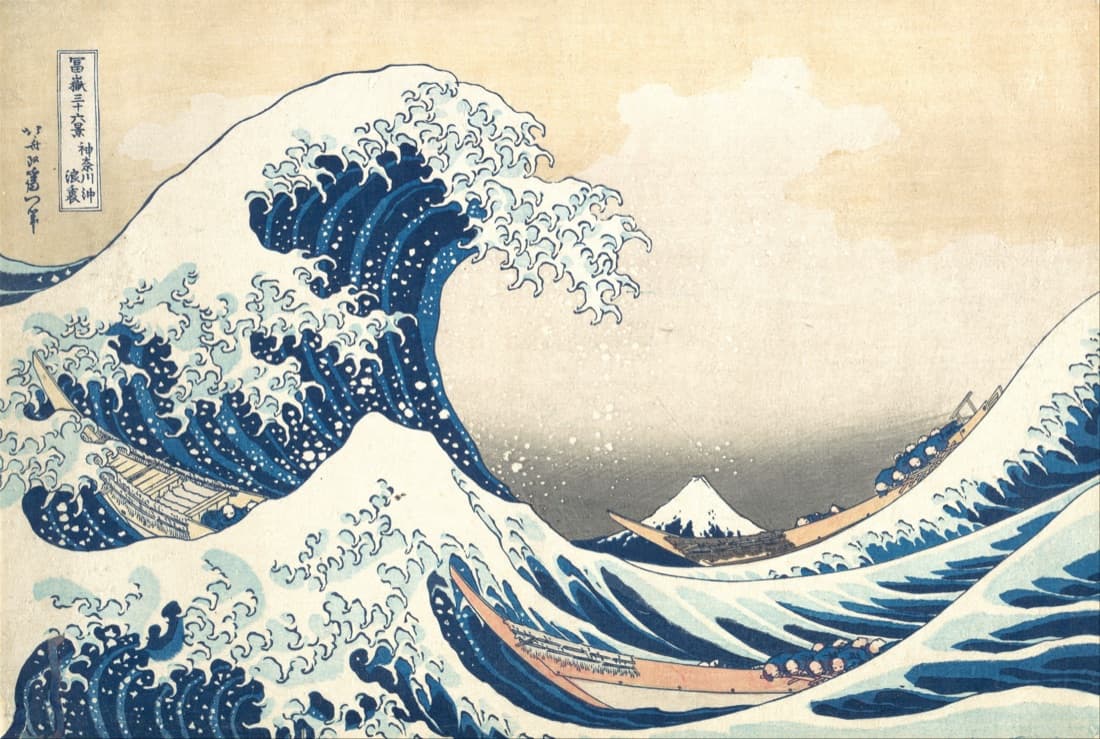
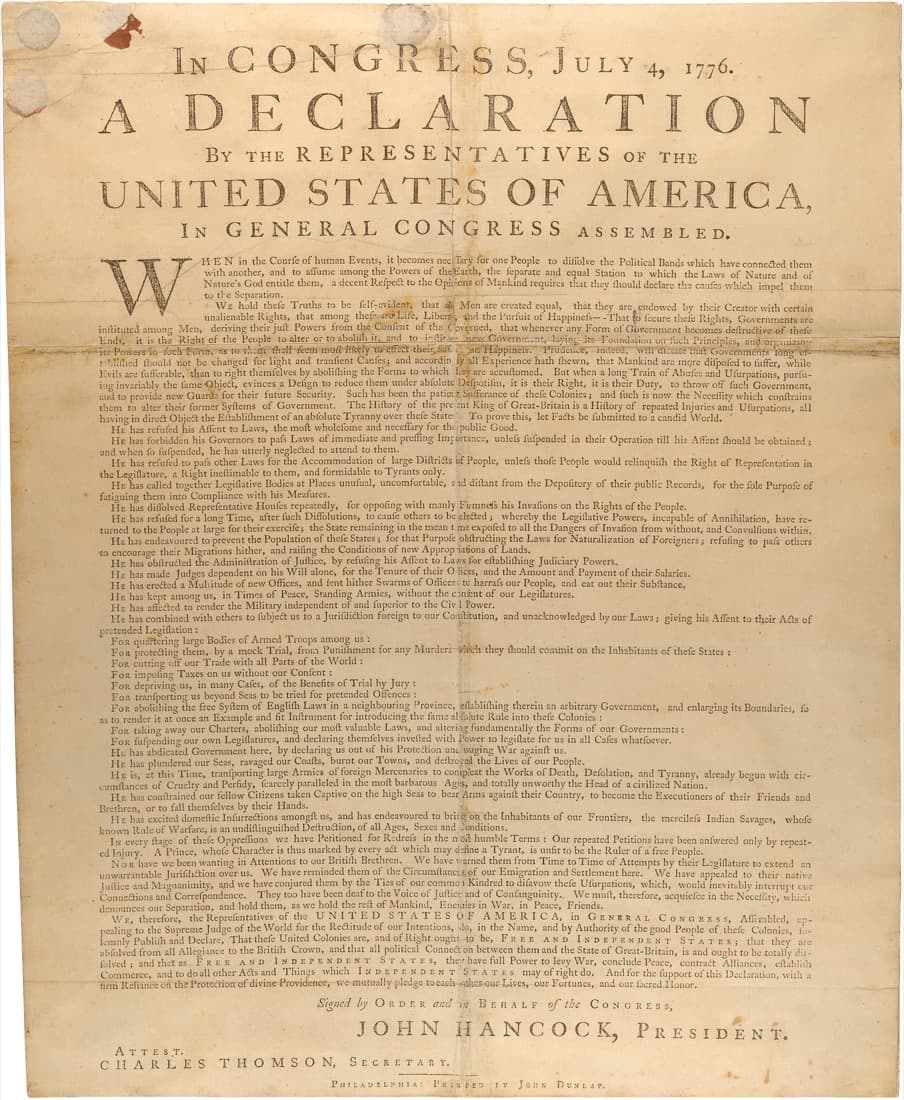

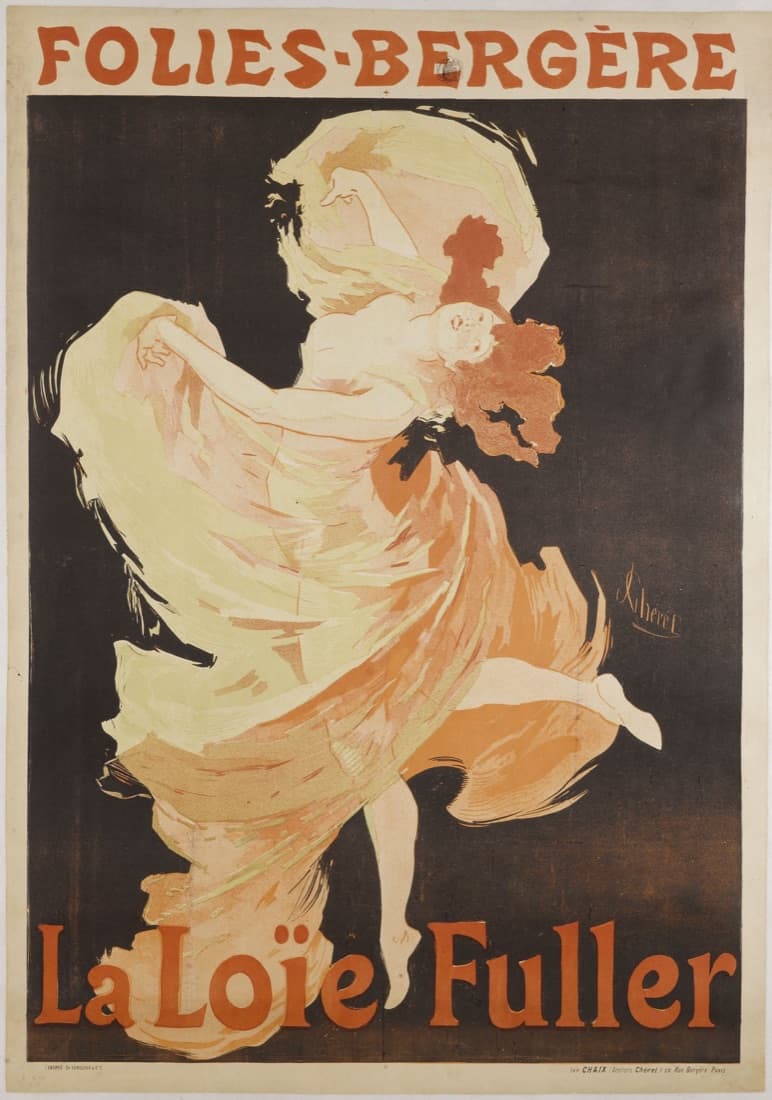
Tournée du Chat Noir, 1896Read its story
A simple way to share something printed that you have already designed: a brochure, a poster, a notice, a report, a programme, a map or a guide. Upload it as a PDF or as images and you get a link and a QR code. Readers open it on their phone, can like it, comment or fill in a short form, and you see how it was read.
It is for anyone who prints, from artists to organisations and governments. It is not a design tool: make your piece in whatever you like, then share it here.
Yes. Create an account, upload your piece as a PDF or images, and share it by link or QR code once it has been checked. Readers open it on their phone, like it, comment and fill in your form, and you see how it is read.
Yes. There are no payments for now. If paid plans ever come, they will never make a printed QR code stop working.
A PDF, or images in JPEG, PNG, WebP or HEIC, up to 50 MB per file. Every file is checked for what it really is, not just its name. Other types, including SVG, are not accepted.
Yes. Upload a new version and the same link and QR code show it, so printed copies keep working. The new version is checked before it goes live, and the old one stays up until then.
A code is never reused for someone else's brochure, even after you delete yours.
Coming soonIf you want them to. For each brochure you choose: comments off, private (only you see them) or public. Public comments can wait for your approval. Comments start private.
Readers need an account to comment. Anyone can read the latest 10 public comments under a brochure; reading the rest needs a log-in too.
Yes, with a form on any brochure. Write up to 12 questions, each with the kind of answer you want: a short or long answer, an email address, one choice, several choices, or a scale from 1 to 5. Readers fill it in on their phone while they read. Only you see the answers, question by question or one reader at a time, and you can download them for a spreadsheet.
You choose whether anyone can answer or only readers who are signed in. If you ask for an email address, you also write a line saying what you will do with the answers, which readers see beside the send button. Links are not allowed in a form: they belong on your pages, where every one is checked.
Yes. They can like a brochure, on the board or while reading it. A like carries no text, and likes are on unless you turn reactions off for that brochure. You see the totals on the brochure's own page.
No account is needed. So that readers can take a like back, their browser keeps a random code for that one like, saved only when they tap. We keep only a scrambled copy of it and store nothing that ties one like to another. Readers who are signed in are recognised by their account instead.
A public wall of brochures, posters and notices that people chose to pin up, from everywhere or near you. Pinning is your choice for each brochure and starts off: until you pin it, a brochure can only be reached through its link or QR code.
Anyone can find a pinned brochure. Next to it the board shows your username with your town and country, never your real name or your email. Only brochures that passed the checks appear, and you can take one down at any time.
Yes. Tap anyone's picture or username to open their profile: their picture, their username, the brochures they pinned to the board, and how many people follow them and how many they follow. Your town and country show there only once you have pinned something. A name shows under your username only if you add one in your settings. A profile never shows the name on your account, your email or who your followers are, and search engines are asked to leave profiles out.
Follow someone from their profile (you need an account with a confirmed email) and their pinned brochures appear under Following on the board. There are no messages between people.
Yes, for an organisation or for yourself: JPEG, PNG, WebP or HEIC, up to 10 MB. It is cropped to a square and checked like brochure pages before anyone else sees it; until then only you see it, and others see your initials. It appears next to your username on the board, in comments and on your brochures. If you remove it, we delete our copies too.
Up to 5 brochures at a time, counting drafts and those waiting for review. Archiving or deleting one frees its place.
Need more? Ask us through the contact page, and a person reviews every request.
Yes. Nothing goes public before it is checked, including a new version behind an existing code. Every page is scanned for unsafe images, and links and QR codes inside the pages are checked for scams. When the check is unsure, a person looks at it.
Readers can report a brochure without an account.
Nudity and sexual content, scams, phishing, fake charities, impersonation and anything that puts people in danger lead to a permanent ban the first time, even when our checks caught it before anyone saw it. Anything else against the rules is taken down, and a ban follows if it is serious or happens again.
A ban is for the person, not only the account: its email address and the browsers it was used on cannot open an account again. A person decides every ban, and every decision can be appealed within six months. The full rules are in the terms.
Coming soonNo app. They scan the code with their phone camera and the brochure opens in the browser. Reading it never needs an account, and neither do the latest comments. Writing a comment or reading every comment does; your form needs one only if you ask for signed-in readers.
You see how it was read: how many people opened it, today and in all, how many read it to the end, and, live, how many are reading it right now. You do not see who they are. Each person counts once, however often they come back: by their account when they are signed in, by one small cookie if they allow it, and otherwise once a day. Nothing follows them to other sites, and IP addresses are not stored.
No. Readers see page images made from your file and sized for phones. Your original file is never sent to them.
In the EU. The database and the processing run on a server in an EU data centre, and files are kept in Cloudflare's EU storage. The pages themselves are delivered from Cloudflare's network, close to the reader.
This site is in English, Turkish, German, French, Spanish, Portuguese and Italian. Your brochure stays in the language you wrote it in; it is not translated.