Plain words for independence
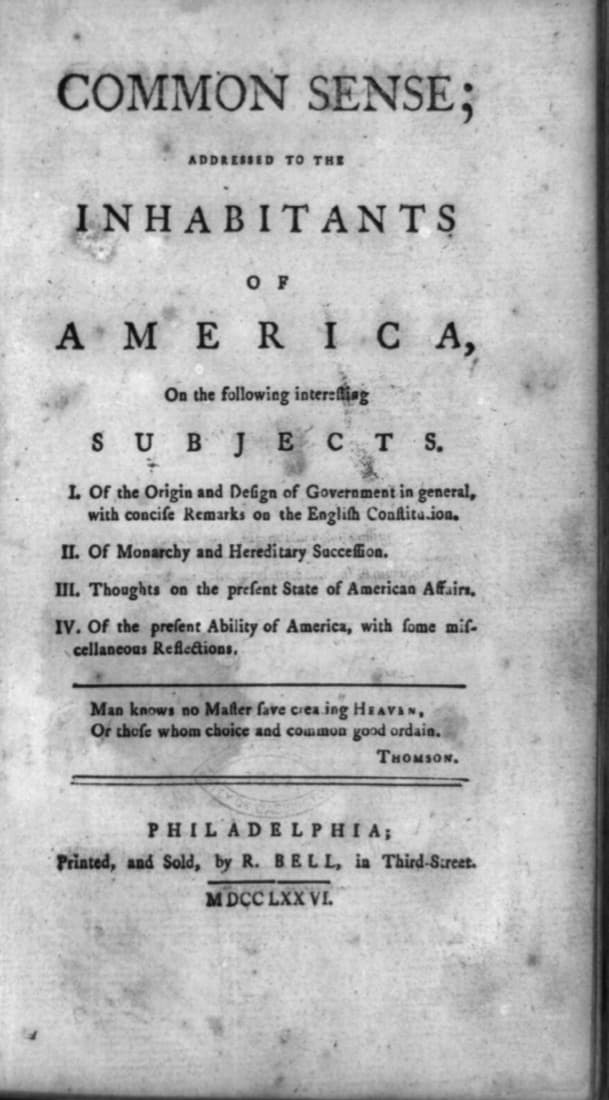
Thomas Paine arrived in Philadelphia in November 1774, invited by Benjamin Franklin. In England he had worked as a corset-maker, a privateer and a tax officer. In Philadelphia he began writing for a magazine.
On 10 January 1776 Common Sense was first printed and distributed. Because what it said was treason, it was published without the author's name, and the printer, Robert Bell, took on the risk. Its title page lists the four subjects: the origin of government, monarchy and hereditary succession, the present state of American affairs, and the present ability of America.
The Library of Congress calls it an instant best seller, with several thousand copies sold within days, and printers soon issued editions up and down the colonies and in Dublin and London. The famous totals of 100,000 copies or more go back largely to Paine's own claims and are hard to verify; some historians argue the real numbers were much lower.
Its effect is less in doubt. In the words of the Library of Congress, it helped turn the tide of feeling toward revolution and "paved the way for the Declaration of Independence more than any other single publication".
About the work
- Made by
- Thomas Paine (1737–1809); printed by Robert Bell
- Date
- 1776
- Technique
- Printed pamphlet
Sources
- Books That Shaped America: 1750 to 1800 Library of Congress
- The Bay Psalm Book and American printing Library of Congress
- 250 years ago: Thomas Paine's Common Sense Library of Congress, Headlines and Heroes
- Treasures of the Library of Congress Library of Congress
- Creating the United States: the Declaration of Independence Library of Congress
- Seven things to know about Common Sense Penn Today, University of Pennsylvania
- Trish Loughran, Disseminating Common Sense, American Literature 78:1 (2006) Duke University Press
Next story
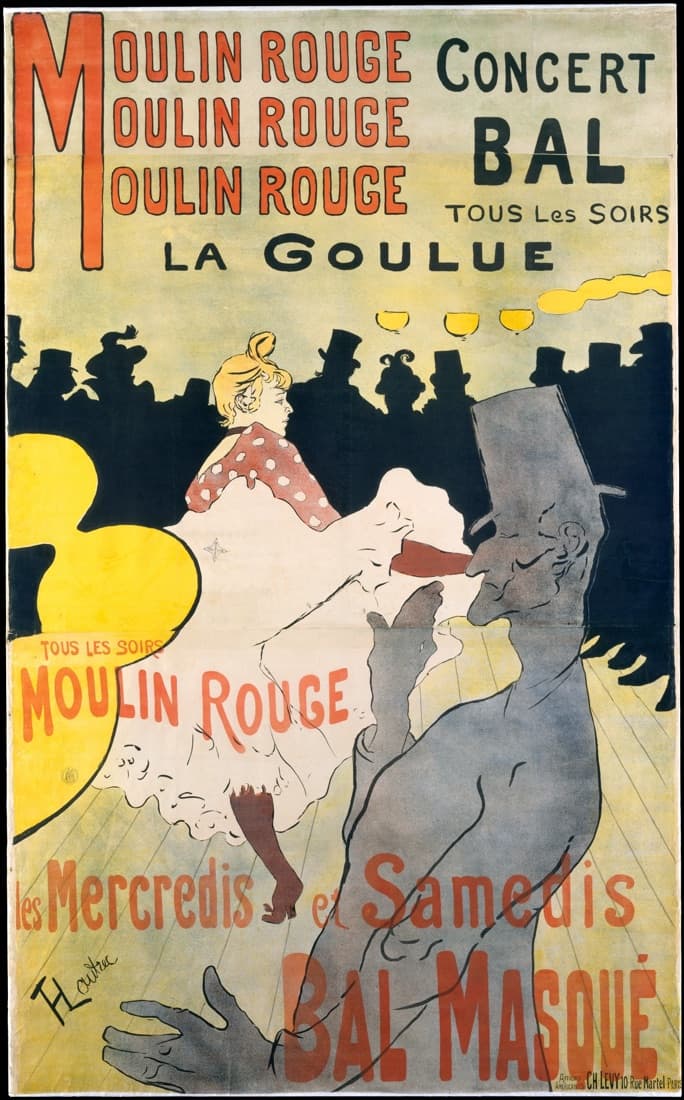 PosterThe poster that made Lautrec's nameToulouse-Lautrec's first poster, made for the Moulin Rouge in 1891, turned a dance-hall advertisement into the work that made his name known.1891Read the story